


Creative Solutions for Water Shortages in Northwest Europe — and elsewhere
Water shortage was recently a problem for distant regions and countries, not for northwest European countries such as Germany, France, Denmark, Sweden and even the Netherlands with half of its surface below sea-level… Especially since the exceptionally long, warm and dry summer of 2018, inhabitants of these countries have been confronted with the fact that they too are vulnerable to serious water shortages.
Despite the current widespread worries about the instability and possible change of the climate, international and national politics has so far miserably failed in alleviating the public’s concerns about this. There is therefore room for new initiatives in which technology and private enterprise are wisely bundled in cooperation with (in particular provincial and local) governments.
A historical example in this regard is Henri de Saint-Simon (1760-1825), whose constructive, transformative activism and pragmatic philosophy in the early nineteenth century were a driving force behind private initiatives to realize various large infrastructure projects, including the Suez channel (financed with “venture capital” from the Crédit mobilier bank established in 1852 and from the Compagnie universelle du canal maritime de Suez established in 1858).
Regarding the problem of possible foreseeable summer water shortages, solutions can be sought for large parts of the Netherlands and neighbouring countries in northwestern Europe in terms of “pumping away less fresh water.” Where this is not or insufficiently applicable — for example in the province of Zeeland, parts of Zuid-Holland, Noord-Holland including West-Friesland – the possibilities of towing “freshwater supplies” that are not that far away from our coasts floating around: icebergs. The development of expertise in this area can be important in the near future to tackle the problems in northwest European countries efficiantly. In time, this expertise can also be deployed in other areas of Europe and the world, including Spain, Portugal, Western Sahara, where water shortages are (much) more pressing and more structural.
.
PUMPING AWAY LESS FRESH WATER
The Netherlands and northern Germany have an experience of many centuries in pumping water away. The Netherlands has created and maintains its extensive polders by pumping out (fresh) water. Due to agricultural arguments, the groundwater level in these polders is often further reduced in the spring by pumping out water, resulting in a shortage of (ground) water in the summer months. The results of tests with, among other things, ‘level-controlled drainage’ are so promising that some water at present the Limburg Water Board (WML) — producer of drinking water in the province Limburg, the Netherlands — is actively promoting this.
.
ICEBERGS FROM SPITSBERGEN TO AMSTERDAM, HAMBURG AND BORDEAUX
In addition to overviews and analyses of the problems in different parts of Northwestern Europe, special attention should be paid to the often overlooked possibilities offered by icebergs of all sizes and forms floating around not too far from northwest European coasts, in the Arctic waters. Their valuable supplies of fresh water are constantly melting away in the ocean. The island group Spitsbergen — presentday Svalbard — discovered and investigated in the 16th century by the Dutch Willem Barentsz, is surrounded by icebergs and ice floes for a few months each year. This area, as well as the east coast of Greenland, are only approx. 3000-4000 km away from our coasts, so that a modest iceberg can be towed to Amsterdam, Hamburg or Bordeaux within four to five days, where the ice can be processed into freshwater for irrigating agricultural crops, for the desalination of natural soils, for industrial purposes and for top quality drinking water. Services to realise this have recently been developed by Polewater GmbH in order to address the problems in South Africa, but they could be adapted and applied when emergencies arise in Europe as well. Further experiments and investigations are needed for all these possible applications. Under normal circumstances it is cheaper to drain 10,000 m3 of water from the tap in the Netherlands than to drag a block of ice from, for example, 110m by 11m by 11 m to the Netherlands which after transport, taking into account some melt loss during transport and with loss of volume after the melting of the ice arrives here, could yield approximately the same amount of fresh water. However, how much value do “we” attach not only to maintaining drinking water supplies during the drought, but also to provide nature, agriculture and industry with the fresh water they need?
Admittedly, northwest Europe survived the warm summer of 2018 fairly well – no one had to suffer from drought because of the drought – and the urgency in these countries is far less high than in other dry regions of the world such as South Africa (Cape Town) or Australia. However, northwest European countries are in an excellent position to technically and economically explore and investigate the possibility of using icebergs for water supply, to build up and bundle expertise that can then also be applied to identify and combat potential future urgent water shortages here and elsewhere in the world.
The water companies that supply tap water in different parts in northwest Europe rightly put the preservation of drinking water for everyone at the top in their “displacement series” of priorities. However, the contours of considerable damage in nature and in agriculture in 2018 – partly impacting on higher costs for consumers – soon became apparent in subsequent months. Rising salinization of agricultural and natural land has led to highly exceptional measures in the summer of 2018, such as freshwater supply by boat to several municipalities in North Holland.
As climatologists expect an increase in hot and dry summers in the long run, a pro-active search for solutions for future water shortages and for alternative methods of producing fresh water is also urgently needed from a strictly northwest European perspective.
In addition, forests run great risks in the event of drought: dehydration, wildfires (as this is seen again in Australia in the Australian summer months from September 2019 to the beginning of February 2020). The preservation and expansion of the scarce forest areas that northwest Europe still has and which would take decades to replace should therefore be given a much higher priority than they have received so far. Forests play a crucial role in climate stabilization, as recently emphasized in an open letter from scientists which quickly drew the attention of climate specialists and journalists.
The heat and the associated drought in Northern Europe emerge from NASA’s “photo of the day” of July 21, 2018:
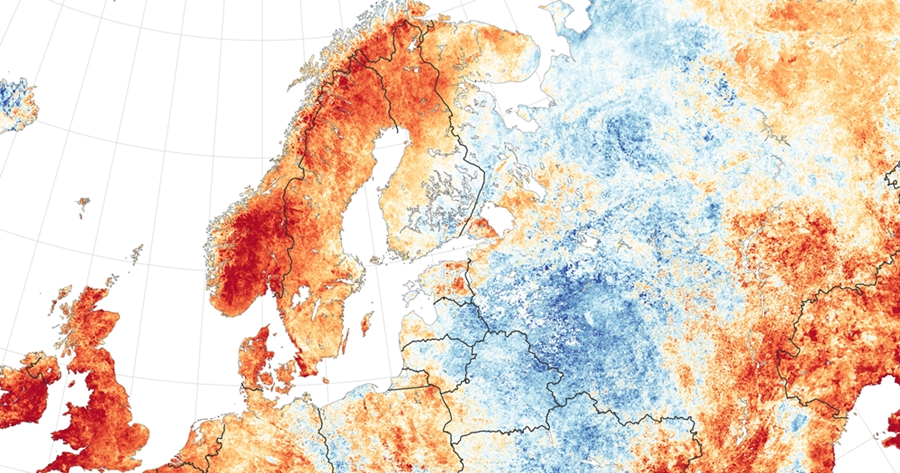
NASA Earth Observatory picture of the day for July 21, 2018
This map shows the temperature deviation based on data from MODIS on the NASA Terra-satellite. According to this explanation by NASA, it shows the surface temperatures from 1 to 15 July 2018, in comparison with the means in 2000-2015 for the same period of two weeks. The hot, dry conditions helped create a serious fire hazard for Sweden (from 20 July 2018 Sweden had more than 10.000 hectares burnt land, almost 24 times more than the average over 2008-2017).

The idea of “mining” icebergs as a source of fresh water is not new, and there have already been very encouraging experiments that have sufficiently demonstrated their feasibility. The urgency has so far proved insufficient to elaborate this fact technically and economically. Some among those of the somewhat older generations still remember a report that appeared in newspapers in the 1970s: a team of engineers had managed to drag an iceberg from Arctic waters to Western Sahara. This adventurous enterprise was at that time funded by the Saudi prince Mohammad al-Faisal. What was a curiosity at the time must now be regarded as a remarkable achievement with considerable ecological potential, particularly in the light of current climatic and meteorological tendencies towards instability and the risks that this entails for millions of people worldwide.
The transport of this iceberg in the 1970s about which newspapers reported was one of the experiments organized by the French engineer Georges Mougin who later further developed his promising but still experimental project with the help detailed simulations developed by the French company Dassault Systems. The concept of towing icebergs is demonstrated in a Youtube clip. At present, the Berlin enterprise Polewater GmbH has developed detailed strategies to track and tow icebergs anywhere in the world wherever water is most urgently needed. South African salvage expert Nick Sloane has similarly proposed to tow icebergs to Cape Town in order to address the problem of regular water shortages there. One additional way to meet the challenge posed to the Dutch government in the Urgenda court case rulings since 2015 and recently confirmed in December 2019 would therefore be to set up similar projects for the Netherlands and northwestern Europe and employ iceberg water for agriculture and forestation.
ICEBERGS TO ADELAIDE, MELBOURNE AND SYDNEY
In the longer term, selecting, “catching”, icebergs in the Antarctic, then dragging them to relatively nearby South Australian coastal cities and ports, can be a basis for creating “Full-Arbor” forest and forest lanes in “Null-Arbor” and in the vast Australian deserts: a virtual memetic project proposed on the MemePeace website on 27 August 2017 which can be further developed and put into practice to deal with one of the worst environmental crises in recent Australian history: the 2019-2020 wildfires in New South Wales, including areas immediately bordering to Sydney. The creation and construction of large forest areas on this scale is expected to make a substantial contribution both to address the gigantic environmental problems in Australia — which was once a green continent abounding in flora and fauna — and to global climate stabilization. It may seem far-fetched to countries such as the Netherlands, however, in view of the threats rising sea levels are posing to the Netherlands a firm decision to contribute to the “Full-Arbor” forest project in Australia and to invest in it from the part of the Dutch government and Dutch enterprises would be entirely rational. After all, as noted above, forests play a crucial role in climate stabilization, as recently emphasized in an open letter from scientists.
Over time, bringing icebergs to northern Europe should yield more than it costs. However, sponsorship and subsidization is needed in the short term. Potential financiers of the first 2-5 years of a concrete project yet to be set up to transport and process icebergs to northern Europe include: green investors, provincial and national government institutions, companies that genuinely try to achieve their CO2 target but still surpass it …
Jan Houben — Frans Vaessen — Stijn Vaessen
images a,b,c
(a) “Op weg naar Umanaq.” Photo by Pieter Vos, Lelystad, August 31 August 2015, IJsberg op weg naar Umanaq, West-Groenland, 73 NB.
(b) “Antarctic Sound-2016-Iceberg.” Photo by Andrew Shiva. Godot13. Licensed under the Creative Commons Attribution-Share Alike 4.0 International license. The copyright holder of this file, Andrew Shiva, allows anyone to use it for any purpose, provided that the copyright holder is properly attributed. Redistribution, derivative work, commercial use, and all other use is permitted. Attribution: Use or reproduction of this image outside of Wikipedia must give the original photographer (Andrew Shiva) credit. https://commons.wikimedia.org/wiki/File:Antarctic_Sound-2016-Iceberg_02.jpg
(c) “Arctic Iceberg with its underside exposed.” English: When the sea is calm, the underside of icebergs can easily be observed in the clear polar water. Date 30 July 2015, 14:45:46 Source Own work Author AWeith. Valued image:
This image has been assessed under the valued image criteria and is considered the most valued image on Commons within the scope: Icebergs in the Atlantic Ocean with its underside exposed. https://commons.wikimedia.org/wiki/File:Iceberg_in_the_Arctic_with_its_underside_exposed.jpg
(a)
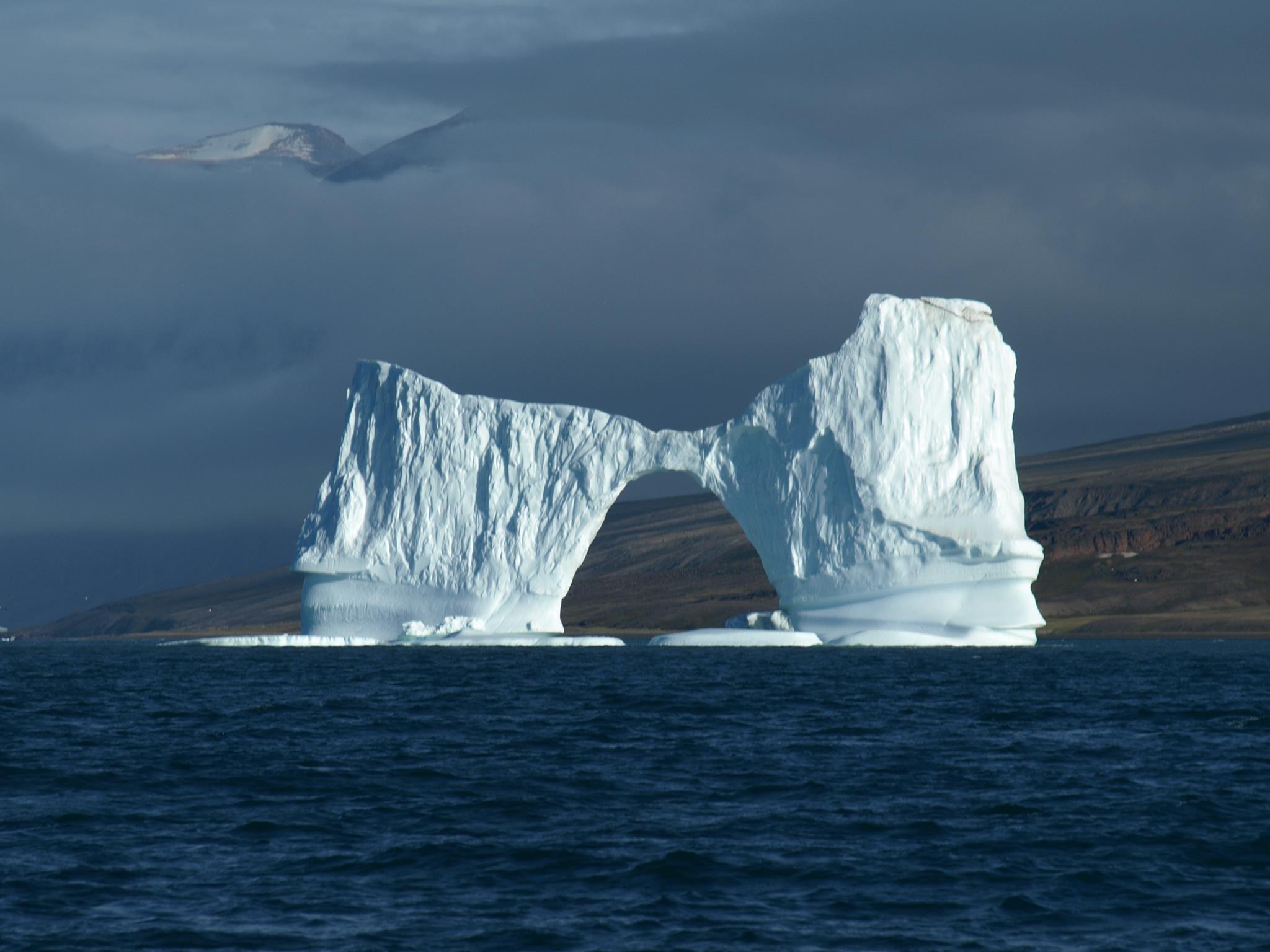
(c) Pieter Vos, Lelystad, “Op weg naar Umanaq”
(b)
…
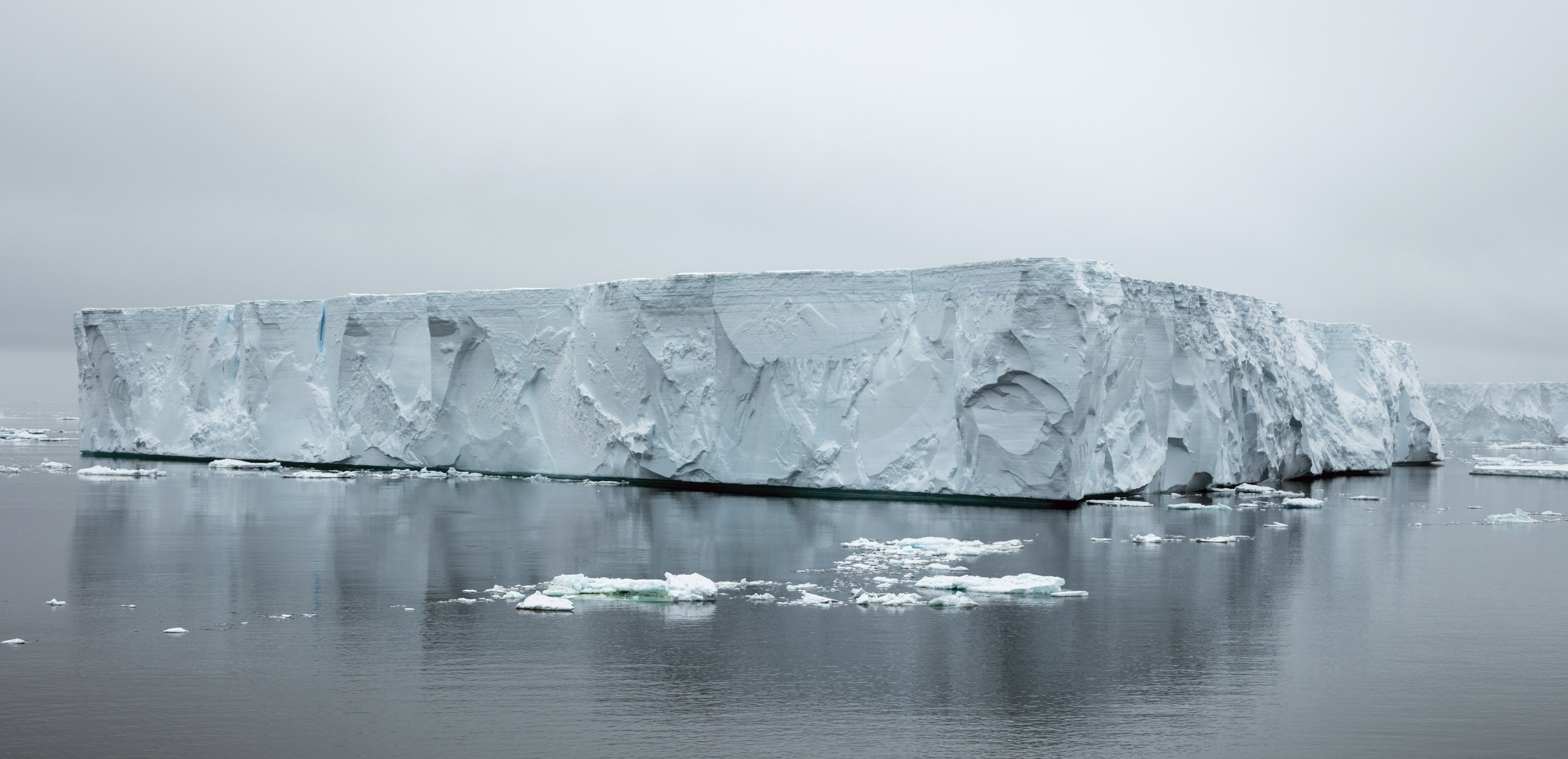
Antarctic Sound, near Brown Bluff, Tabarin Peninsula
Date 15 January 2016, 20:05:56 Author Godot13 Attribution
(required by the license) Andrew Shiva / Wikipedia / CC BY-SA 4.0
https://commons.wikimedia.org/wiki/File:Antarctic_Sound-2016-Iceberg_02.jpg
…
(c)
…
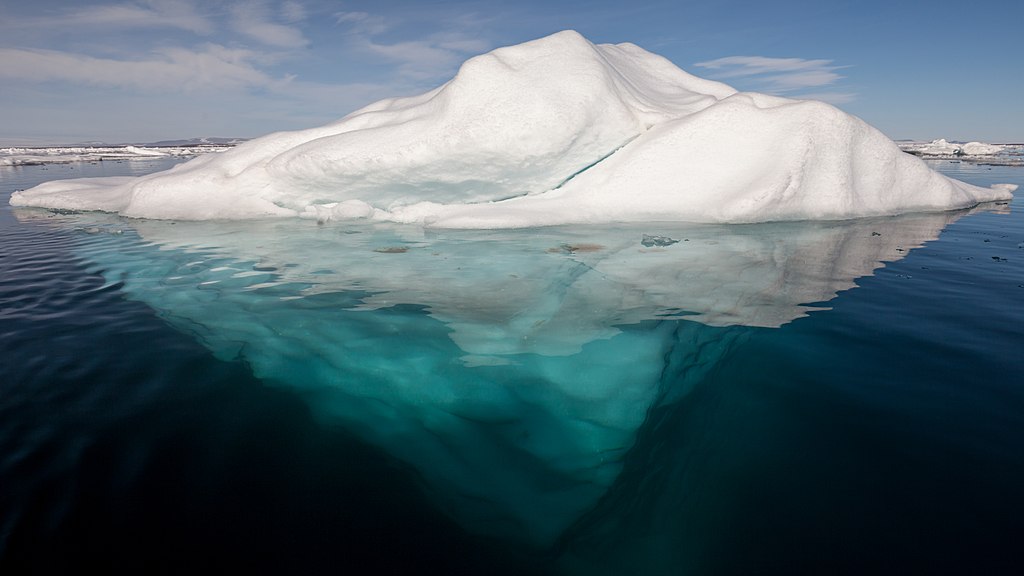
When the sea is calm, the underside of icebergs can easily be observed in the clear polar water.
Date 30 July 2015, 14:45:46 Author AWeith Valued image
https://commons.wikimedia.org/wiki/File:Iceberg_in_the_Arctic_with_its_underside_exposed.jpg
…
Donations and Sponsorship
For the development of its website and for organizing events, the DesertGreen Forum Foundation is looking for donors and sponsors.
Donations are welcome on Bankno. NL64 INGB 0007 4820 30 quoting “DesertGreen Forum donation”.
If you want to support the DesertGreen Forum Foundation in a more structural way through sponsorship, please contact us via info@desertgreenforum.org